Slightly Obsessed

A long standing living history blog covering all eras with a special focus on clothing, food & social culture as well as first-person reenacting.

Name:
Location: Barrington, 2c79a7d7-8d84-e411-95ca-d4ae52b58f15, United States

Thursday, April 16, 2015

Govern Well Thy Appetite, Part 1.

Or historic food and the modern diet.

For some people experimenting with historic recipes, exploring unique ingredients and testing batches of odd looking results is the fun part of living history. For others, especially those who follow restricted diets, it's hard enough to find something to eat in the modern world, much less a historic recipe. However, it's not actually as hard as it might seem at first to eat period correct foods while still sticking with your dietary needs.

For this mini-series of articles, I'm going to look at a few of the most common dietary restrictions, how to cope with them without sacrificing historical accuracy (too much) and a few favorite recipes that fit the bill. Every one of the recipes I suggest here has been tested, often times at an event, and is guaranteed to appease both those with special diets & the omnivores alike.

Vegetarian


Vegetarianism is pretty common in the 21st century but it isn't a new concept. Sure it might seem as though every meal & every dish contained some kind of meat. Some recipes seem like the cook was just trying to cram as many meats into one dish as possible. Thankfully, that's not really true. During the late 18th & early 19th century many enlightenment leaders adopted vegetarianism as part of their greater lifestyle. Writers such as Francois-marie Arouet (aka Voltaire), Percy Shelley & even Leo Tolstoy were all vegetarians. Additionally, many of the lower classes relied heavily on vegetables to fill out the meat supplies they simply couldn't afford.

Lettuce, Tacuinum Sanitatis, 1400.

One of my favorite historic vegetarian dishes to make is cooked greens. Alternately called buttered worts in the 16th century, sallat in the 17th century or simply greens, these are nothing more than spinach, collards, mustard greens, cabbage and any other leafy vegetable. Greens are some of the first vegetables available during the growing season & some of the last before the frost hits. They are ideal for year round events, fast to prepare & adaptable for a variety of time periods. The most basic preparation is simply cooking until soft & dressing with butter or oil, but other ingredients & spices are sometimes included depending on the tastes of the era & the whims of the cook.

Salad dish, c.1800-1810. Victoria & Albert Museum and Salad Bowl, 1728. The Met.
Sallets in general consist of certain Esculent Plants and Herbs, improv'd by Culture, Industry, and Art of the Gard'ner: Or as others say, they are a Composition of Edule Plants and Roots of several kinds, to be eaten Raw or Green, Blanch'd or Candied; simple, and per se, or intermingl'd with others according to the Season.

Acetaria: a discourse of sallets
John Evelyn, 1699

Lettuce Seller, Philippe de Tubieres. 1742. The Met 
A Boyled Sallet.
Take Spinage and boyle it and chop it, and when it is chopt, poure it in a little Pipkin, with Corance, sweete Butter, Vinagre, and Sugar, boyle them altogither, and when they are boyled put it in a dishe, and lay sippets round about, and strew suger upon them and serve them out.

Book of Cookery
A.W. 1591

Spinach
Be careful to pick it exceeding clean, then wash it in five or six waters. Put it into a saucepan that will just hold it without water. Throw a little salt over it and cover it close. Put your saucepan on a clear quick fire and when you find the spinach shrunk and fallen to the bottom and the liquor that comes out boils up, it is done Then put it into a clean sieve to drain and just give it a gentle squeeze. Lay it on a plate and send it to table with melted butter in a boat.

The Housekeeper's Instructor, Or, Universal Family Cook
William Augustus Henderson, 1805


Part 2: Dairy-Free & Vegan (Coming Soon)

Labels: , , , ,

Monday, April 21, 2014

And the Water Was Spent in The Bottle

Or a quick recipt for orange shrub as served at the C. Black Coffeehouse, most suitable for birthday celebrations and other occasions of pleasure.


White wine of a sweet variety
Brandy of moderate quality
The juice of oranges, lemons & other citrus fruits
Peel of the same fruit
Fine sugar
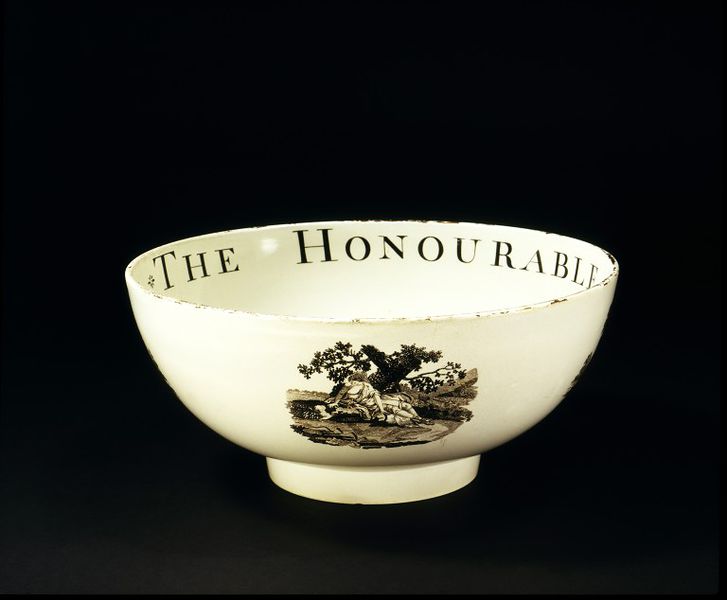
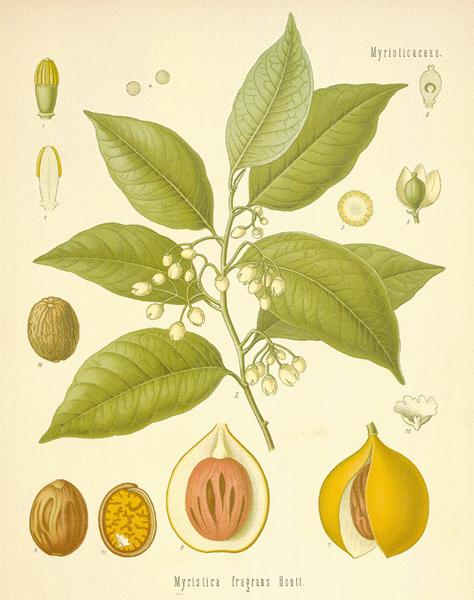
Nutmeg, grated fine

Combine the citrus juice, nutmeg & brandy in a dark colored bottle, keeping it well closed for no less than 3 days. Unlike many common shrub recipes, this variation needs no long infusion period. In fact, the shorter wait makes it particularly suitable to last minute celebrations when no other punch can be properly made. On the day you wish to consume the shrub, combine the wine with the brandy infusion in a large bottle or bowl, keeping in mind the proper proportion of 3 parts wine to 4 parts brandy. Add sugar to taste. Strain through flannel if needed to remove sediment. Serve in small cordial or dedicated shrub glasses. Be prepared to readily refill the glasses as they are quickly emptied of this delicious liquor.


~~~
Works Cited

E. Smith, The Compleat Housewife or, Accomplished Gentlewoman's Companion (London, 1739)


John Daview, The Innkeeper and Butler's Guide, or, a Directory in the Making and Managing of British Wines (Leeds, 1810)

Labels: , , ,

Tuesday, December 03, 2013

You'll Get A Pie In The Sky When You Die

or making the ubiquitous Cheshire Pork Pie.

It seems everyone & their mother has made an 18th Century Cheshire Pork pie at some point. The origin of this pie's popularity likely comes from it being featured on Colonial Williamsburgs "History is Served" website. Popular among reenactors, would-be historic foodies & the occasional Anglophile, History is Served offers modern redactions of historic recipes from the 18th century. In this way it is useful for folks wanting to try something historic, while still using readily found ingredients, tools & standard measurements.


Although the original isn't particularly difficult, the Williamsburg's Cheshire pork pie is one of the most popular recipes from the site. Don't just take my word for it, check out Revolutionary Pie's version, 19th Century Cookery's take and The Regiment Cooksite's review. Those don't even take into account the folks, like me, who worked from the various historic versions as well, like Bite from the PastThe Historic Cookbook Trials.

I have an unnatural love for making pie in camp, as I'm sure those of you who have been following Slightly Obsessed over the last 7 years may have noticed. My first camp pie experience came on a whim. I simply had nothing special to do in camp that day, the coffeehouse was still in its infancy & there were no school children to educate. Instead I decided that I simply had to make a pie, despite not having a single ingredient or even a formal recipe beyond what I remembered from a very brief reading. The result was amazingly tasty & I'm afraid the success spoiled me for ever baking a pie any other way!

When it came time to make this most recent pie, I can at least say I was a bit more prepared. I have started hosting friends for dinners in the coffeehouse on Friday evenings. It's a nice way to begin the weekend; those of us who have been demonstrating at the school days are ready to sit back & relax after the hectic day & those that are just getting into camp are always happy to have dinner plans already taken care of by someone else while they tend to their own chores. So I knew that Mr. McF--- & his lovely wife would be joining me on this particularly cold & damp October evening. What better than a warm pie & a glass of shrub to warm up the evening with friends?

The Widow's Rogue Version of a Cheshire Pork Pie

Ingredients:
  • Pork shoulder roast left over from a previous dinner.
  • A couple of potatoes from the coffeehouse larder.
  • Some apples, because you always have a few rolling around in camp.
  • A Splash of white wine & an extensive conversation with the new servant Jane on what constitutes a proper splash. 
  • A pinch of Cinnamon, Nutmeg, Mace, Salt, Pepper & what ever other spices sound good at the time.
  • 1 batch of "The Only Pie Crust I Know By Heart".

A Cheshire pork pie waiting for baking.


Directions:

Get a good solid fire & base of coals going.

Dice & fry the pork in a bit of butter if it needs it. Cook only until it is no longer pink but not so long that it becomes dry. Historic recipes tend to put the pork directly into the pie but we can't completely forget modern food safety.

While the pork is cooking, slice the potatoes & apples. Make sure to feed a few of those apple slices to the 3 year old who is now starving after a day of playing in camp & can't wait for formal dinner time.

Make a double pie crust. I have a standard pie crust memorized & can duplicate it in camp, whenever the whim strikes. Use what ever is your favorite.

Get to assembling your pie, finally!

Lay 1 crust in the bottom of your pie plate. Pile in as much of the pork, apples & potatoes as you can comfortably fit into the plate. This will cook down, but not by much so keep that in mind when filling.

Sprinkle your seasonings over the filling. We used salt, pepper, cinnamon & nutmeg but sage might have been a nice choice.

Add a splash of white wine, just enough to add a little moisture to the filling mix but not so much that it leaves the pie crust soggy. My servant insists this amount is "2-3 tablespoons" but I refuse to be that scientific about my cooking. While you are at it, add the remaining white wine to the very large bottle of shrub waiting for the evenings revelry.

Cover your pie with the second pie crust & decorate according to your personal preference & the quality of the expected dinner guests. I went with a very simple fork pressed edge & a few venting slits on the top, pretty but practical for a meal with the local distiller & his wife.

Set-up your bake kettle with a trivet in the bottom to prevent the pie bottom from coming in direct contact with the hot kettle. Place the prepared pie into the kettle & cover, topping with a few hot coals.

Rotate the kettle & lid in opposite directions in roughly 15 minute increments to ensure even baking. Check the pie after 30-45 minutes, depending on the strength of the fire. Our pie was finished, in fact a little burned on one corner, after only 45 minutes. However, it could take as much as an hour & a half, so be patient.

Remove from the fire, serve & enjoy.

Labels: , , ,

Thursday, September 20, 2012

There can't be good living where there is not good drinking.


As any experienced reenactor will tell you, once the gates close and the public returns home, the true fun begins. More often than not this evening entertainment includes drinking, at times prodigious amounts, of alcohol. What are those of us who wish to remind in first person to do when the bottle begins to be passed? Surely we don't want to pass up the option of free booze and the rare opportunity to sample the home brewed concoctions of our fellow camp mates, lest of all we come across as a stick in the mud and not be invited back for the next event. Instead of sacrificing authenticity or giving up on the dream of 24-7 first person, why not incorporate those late night alcohol fueled shenanigans into our first person experience?

Of course, to truly pull off drunken first person, we must know the proper terminology to describe not only what we drink, but who we are with & how we feel afterward. So I give to you, my historically inebriated readers,
The Regency Era Drunkards Lexicon
or Terms to Turn the Tea-Teetotalers Toes.

Things to drink when you're in the Regency Era:

Adam's Ale : water, plain & simple.
All nations: the drainings of several bottles all into one pot.
balderdash: adulterated wine of any kind.
Bumbo: brandy, water & sugar,
calibogus: rum and spruce beer mixed
Cobblers punch: The frightening combination of treacle, vinegar, gin & water mixed. Yes, together.
conny wabble: eggs & brandy beaten together.
Crank: A classic gin & tonic water, without the tonic.
Flip: small beer, brandy & sugar combined & heated with a red hot poker.
Sir Cloudsley: flip with lemon added named after Admiral of the Fleet Sir Cloudesley Shovell.
grog: rum and water.
hog wash: a thick, bad beer. Like flat Pabst Blue Ribbon.
rot gut: small beer
scandal broth: tea-drinking
slip-slops: tea, water-gruel and anything taken medicinally.
tall boy: The same as it is today, a two quart pot or bottle.
twist: half tea, half coffee

What to say when you're drinking in the Regency Era:

We gave the bottle a black eye: drank it almost up
I'm chapt: thirsty, very very thirsty.
dead men: empty bottles
tipsey: almost drunk
toss pot: a drunkard
wet one's whistle: to drink
chirping merry: exhilarated with liquor
toast: a health said over drinks


How much to drink in the Regency Era:

a bumper: a full glass
like a beast: only when thirsty
a dram: a small measure of spiritous liquors
Bung your eye or fire a slug: drink a dram
Just a nip of ale: a half pint of beer
a cup of the creature: a cup of good liquor
a swig: a hearty draught of liquor

What NOT to do when you've had too much to drink in the Regency Era:

cast up ones accounts, cascade, to shoot the cat, flash the hash : vomit
churl: drink malt liquor immediately following wine
admiral of the barrow seas: vomit into the lap of the person sitting opposite due to drunkenness.
Become boosey, flustered, foxed or groggified : to get drunk
capsize: drink till you fall out of your chair
become cropsick: sickness in the stomach arising from drunkeness
guzzle: to drink greedily


List complied from Captain Grose's Classical Dictionary of the Vulgar Tongue, 1811.

Labels: , ,

Saturday, January 07, 2012

Soup for the Historian's Soul

Soup for the Historian’s Soul or how to make an economical dish for those who spend much time thinking of the past whilst living in the future.

Vegetables for the Soup, Jean-Baptiste-Siméon Chardin , 1732.

The cold winter weather has finally settled around us, and so too do we settle, around the fire with a hot dish of soup to keep away the chill.

Soup, or a “decoction of flesh for the table” as defined by Samuel Johnson in 1798, has long been a stable food for all classes. In the 18th century it was commonly served as an early course to a formal dinner or along with three other dishes in a more meager family meal. Part III of A Treatise of all Sorts of Foods begins with liquids, soup included, reasoning that “that we ought always to begin our Meals with liquid Foods as being thofe which are eafier of Digeftion and ftay leaft in the Stomach.”

The ease of soup on digestion is further supported in its use for fever patients & others with weak stomachs or suffering from illnesses. In fact, soups and other liquid nourishment are so common that a full 15 of the recipes Hannah Glasse gives in her chapter on “Directions for the Sick” are for broth, soup & meat “tea”. Women suffering from the puerperal fever, more commonly called child-bed fever, were encouraged to eat small, frequent quantities of “Chicken-water, or mutton-broth made weak and cleared of all its fat, beef-tea” along with other nourishing liquids, proper medication & rest. Soup could also cure that most common and dreaded aliment among sailors, scurvy. Although the idea of “a Soup of boiled Cabbage and Onions” as advised in Richard Brookes' 1765 General Practice of Physic is not the most appetizing, his promise that it would “cure an adventitious Scurvy in its firft Stage either at Land or Sea in any Part of the World befides” makes it worth adding to any sailors recipe book.

However, in the 18th century that comforting bowl of soup was not as simple as cracking open a can of Campbell’s. Not only did the home cook have to consider the types of meat or fish, vegetables and herbs to be used, but the order in which the ingredients were added to the pot and even the cooking vessel itself played an important role in the quality of the resulting dish. According to E. Taylor in The Lady’s, Housewives & Cook-maids Assistant the cook must “be careful to use pots and sauce-pans with the lids well tinned, and very clean, free from grease and sand, for fear of giving the soups a bad taste”. Clean, well maintained tools are very sage advice, even for today's modern cooks.

White Soup Bowl, Anne Vallayer-Coster, 1771.

While the process of making a soup is not particularly complicated, small changes could easily effect the final product. Elizabeth Raffald advises cooks “to lay your meat in the bottom of your pan with a good lump of butter” in order to “give the foup a very different flavour from putting water in at the firft”. She also advises that “when you make any white foup, don't put in cream till you take it off the fire,” presumable to prevent any possibility of the milk scalding while over the heat. Such subtle variations in the method could not only dramatically change the final flavor, but even change the dish from a proper soup, to a broth, gravy or “meat tea”.

Despite all the variations soups were still an economical meal, requiring few ingredients and tools. While meat, fish or foul was preferable for a good, hearty soup, they weren't the only option for those of meager means. Even the poorest of the poor could feed on bread soup, given nothing more than water, a few spices & a crust of bread, hopefully with the mold spots scraped off. They could indulge in a barley soup flavored with mace & perhaps a piece of lemon-peel. The suggested white wine in Hannah Glasse's recipe needn't be of particularly high quality, as anyone who has cooked with alcohol knows and in a pinch could easily be substituted with plain water. Such economical recipes were the saving grace for those struggling to put food on the table, or those, such as the Killuloe School in Dublin, feeding many mouths. Reports from 1800 by the Society in Dublin for Promoting the Comforts of the Poor show that 48 children could be fed a pint of soup each with the entire cost only amounting to 12d. Certainly the children were being fed the most basic, and inexpensive soup possible, but it was better than “dog's soup”.

~ ~ ~
A Modern Historic Soup
adapted from Sarah Harrison's, The House-keeper's Pocket-book: and Compleat Family Cook, 1739.

“A Soup.
TAKE three Pints of strong Broth, fifty Balls of Forc'd-meat, a Handful of Spinage and Sorrel chop'd, and a little Salt; let it stew a little, then put in a
Loaf Loaf of French Bread cut like Dice, and toasted, and fix Ounces of Butter. Tofs it up, and serve it.”

48 oz. (1 large can) chicken broth
1 bouillon cube
12 meatballs, homemade or frozen
1 bunch of fresh spinach, coarsely chopped
1 handful of sorrel or arugula, coarsely chopped
1 loaf of French bread, cubed & toasted or 3 cups fresh croutons
salt & fresh pepper to taste

Heat the broth and bouillon together. Add the meatballs and allow to cook until done. Frozen pre-cooked meatballs only need to heat through. Add the spinach and arugula. Cover the pot just long enough for the greens to wilt. Remove from the heat. Add in the bread or croutons. Season with salt & fresh pepper Stir briefly and serve immediately.

~ ~ ~
works cited

Brookes, Richard. General Practice of Physic. 1765
Glasse, Hannah. The Art of Cookery Made Plain and Easy. 1784.
Grose, Francis. Dictionary of the Vulgar Tongue. 1796.
Harrison, Sarah. The House-keeper's Pocket-book: and Compleat Family Cook. 1739.

Johnson, Samuel. Johnson's Dictionary of the English Language. 1798.
Lemery, Louis. A Treatise On All Sorts of Food. 1749.
Raffald, Elizabeth. The Experienced English Housekeeper. 1786.
Society in Dublin. The first number of the Reports of the Society. 1800.
Taylor, E. The Lady’s, Housewives & Cook-maids Assistant. 1769.

Labels: , ,

Sunday, October 23, 2011

With as Much Dispatch as They Would a Dish of Fritters.

A recipt for Hasty Fritters, sometimes called Common Fritters, ideal for use with apples or other such sturdy fruits of the season.

Everyone has heard of the classic colonial "Apple Fritter", but what really is an apple fritter, or a fritter at all, according to 18th century cooks? Further, are they worth adding to our stash of historic recipes? You know, the ones that always impress, taste great and aren't so difficult that we spend the entire cooking time cursing who ever invented food.

To answer the first question I turned to many of my favorite recipt book authors of the era, names I'm sure you've either heard, read or at least recognize from all the times I reference them here on Slightly Obsessed.

The queen of 18th century cooking, Hannah Glasse, has a fairly simple recipe for what she calls Hasty Fritters in her ever so popular book The Art of Cookery Made Plain and Easy (1784 edition). These fritters include apples & currants, but unlike many of the other fritter recipes in the same book, rely on beer for leavening, making them faster than other methods while still being just as soft & tender once cooked. It also means the cook gets to enjoy a little something extra while doing all the hard work. Splash for the pot, sip for the cook!

"To make Hasty Fritters

TAKE a stew pan put in some butter and let it be hot. In the mean time take half a pint of all ale, not bitter, and stir in some flour by degrees, in a little of the ale put in a few currants or chopped apples, beat them up quick and drop a large spoonful at a time all over the pan. Take care they do not stick together, turn them with an egg slice and when they are of a fine brown lay them in a dish and throw some sugar over them. Garnish with orange cut into quarters."


Hannah's recipe is so popular it actually turns up, word for word in quite a few later cookbooks by different authors, such as John Farley's 1787 edition of The London Art of Cookery. I guess plagiarism wasn't as big of a deal in the 1700s as it is today.

While Hannah is making her Hasty Fritters, Elizabeth Raffald shares a recipe in The Experienced English Housekeeper (1786) specifically for Apple Fritters. Although in reality this is just a glorified version of Common Fritters, which she lists earlier in the book as a separate recipe. Elizabeth does point out though, that these fritters are "Proper for a side dish for supper." I'll do you one better and eat them for supper thanks.
"To make Apple Fritters

PARE the largest baking apples you can get, take out the core with an apple scraper, cut them in round slices and dip them in batter made as for common fritters, fry them crisp, serve them up with sugar grated over them and wine sauce in a boat. They are proper for a side dish for supper."

Before Hannah and Elizabeth were frittering away the pages of their respective cookbooks, E. Taylor was directing all the readers of The Lady's, Housewife's and Cook-maid's Assistant (1769) on the fine art of Hasty Apple Fritters. While I like the addition of cinnamon and sugar and the idea of draining the freshly fried fritters in a warm place so they stay hot before serving, a batter made from only beer and flour doesn't sound all that appealing. In fact it sounds rather awful! I'm not certain that any amount of extra sugar on top will fix a bland batter.

"Hasty Apple Fritters

Pare your apples, scoop out the core, cut them in slices across as thick as a half crown, have ready some thin batter made only of strong beer and flour, put a large quantity of lard dripping or butter into your stew pan, dip the apple into the batter and then immediately into the hot lard. When they are a light brown take them out with a slice and lay them upon a drainer before the fire. Send them to table with beaten cinnamon and sugar"


Leave it to a man though, to actually combine all the best aspects of the preceding fritter recipes. All thanks go to John Perkins for doing the hard work in his book Every Woman her Own House-keeper (1796). Here we have not only the wonderful use of beer for leavening, but eggs, nutmeg and sugar to create a batter worthy of frying on its own. That wasn't enough for John though, he uses this perfect batter on apples and further, sprinkles sugar on top of the final fritter goodness. Really his only flaw was not including the recipe for wine sauce, even though he so kindly suggests it!
"Common Fritters

Get some large baking apples, pare them and take out the core, cut them in round slices and dip them in batter made as follows: Take half a pint of ale and two eggs and beat them in as much flour as will make it rather thicker than a common pudding with nutmeg and sugar to your taste. Let it stand three or four minutes to rise. Having dipped your apple into this batter, fry them crisp and serve them up with sugar grated over them and wine sauce in a boat"


To answer the second question, yes fritters are more than worthy of a reenactor's recipe collection. Above are my results after following John Perkins recipe. Soft but still crunchy on the inside, sweet without being cloying, easy to make and not overly messy to clean up after. Even the left over batter made tasty plain fritters when tossed with cinnamon and sugar.

I used my favorite Spartan apples for these, even though they are a recent style of apple, only having been developed in the late 1930s. They are however a good all around fruit with a nice tartness that holds up well against the simple batter. I skinned and cored using my modern OXO tools for speed, but a simple knife and some patience would work in a historic setting just as well.

I did end up using a bottle of Newcastle Nut Brown Ale for the batter. Normally my cooking beer of choice is Boddingtons, partly because it originates to the 18th century but also because I like the way its flavor holds up in recipes. However, I took the advice that the beer not be bitter. Plus, since I only needed a half pint, a single bottle of Newcastle was more economical than a full 4 pack of Boddingtons. It is a Sunday night after all. Maybe next time I should make fritters on a Friday & enjoy the left over beers as part of the snack!

Until then, that's all the time I have to "Fritter Away" this evening.

~~~
works cited

Hannah Glasse. 1784. The Art of Cookery Made Plain and Easy. Printed for W. Strahan. p. 161-2
John Farley. 1787. The London Art of Cookery and Housekeeper's Complete Assistant. Printed for John Fielding. p. 228
Elizabeth Raffald. 1786. The Experienced English Housekeeper. Printed for R. Baldwin. p 161
E. Taylor. 1769. The Lady's, Housewife's, and Cookmaid's Assistant. Printed by H. Taylor for R. Taylor. p 226
John Perkins. 1796. Every Woman Her Own House-keeper. Publisher James Ridgway p 184-5

Labels: , ,

Saturday, December 12, 2009

The Gingerbread Man

"I'm a gingerbread merchant, but what of that there,
All the world, take my word, deal in gingerbread ware."


Eighteenth century gingerbread cakes, although the name is a bit deceiving, are very similar to the gingerbread cookies so many of us will indulge in this holiday season. The chief differences between the modern & historic versions include the use of treacle, baking soda and the final shaping of the cookie. However, the differences are so slight that they should not deter the amateur historian from attempting these tempting treats.

Samuel Johnson’s A Dictionary of the English Language from 1768 defines gingerbread as a “farinaceous fweetmeat made of dough, like that of bread or bifcuit.” His colleague, Francis Grosse defines it in the 1788 publishing of A Classical Dictionary of the Vulgar Tongue as, “A cake made of treacle, flour, and grated ginger”. From these definitions it is clear that gingerbread cakes are actually a cookie with a floury texture, sweetened with the foam created during the processing of sugar, highly spiced with ginger. Molasses, although also part of the sugar refining process and frequently used in modern gingerbread, is not the same as treacle. It is interesting to note that not every recipe surveyed uses treacle; the trend later in the decade leans toward sugar, specifically brown sugar, and molasses so that by the 1814 publishing of Maria Rundell’s A New System of Domestic Cookery not one of the four different recipes for gingerbread include treacle as an ingredient.

Modern bakers rely on baking soda and other chemical leaveners to create lighter textured in their baked goods. In the 18th century, some 50 years before the first commercially packaged baking soda, the main choice of chemical leavener would have been potassium carbonate, commonly known as pearl-ash. None of the surveyed recipes include this leavener, suggesting that period gingerbread was a rather dense, unleavened cake. Period cooks further encouraged the density of the cakes by circumventing the meager expanding power of the included butter. Elizabeth Cleland’s recipe from A New and Easy Method of Cookery suggests that cooks “prick them with a Fork” before baking. Such docking prevents the baked goods from rising by providing release points for the build up of internal steam. The resulting density of the cakes alone does not though suggest that they were ideal for long term storage since many recipes still included butter which can compromise the storage potential of goods, even after baking.

To the modern mind, gingerbread conjures up thoughts of elaborate cookie houses, decorated with sugared icing and tiny candies, inhabited by little gingerbread men. The 18th century gingerbread man bore little resemblance to his modern counterpart. Instead of a cut-out, he would have more likely been pressed or printed, the stiff dough rolled & pressed against a carved wooden mold to produce a relief image. Thanks to the lack of leavener, the resulting image would stay crisp and clear even after baking. A more common period option for shaping the cookies is to take John Farley’s advice and “make them up into thin cakes”. These cakes were most likely round in shape, cut out “with a tea-cup, or fmall glafs” or rolled “round like nuts” as both John Farley & Hannah Glasse suggest in their respective books. In her extensive collection of gingerbread recipes Maria Rundell adds, “Of some, drops may be made”. There is even a recipe specifically for so called gingerbread nuts in the 1807 version of The Complete Confectioner. The trend of calling them gingerbread nuts rather than cakes not only references their shape, but further suggests just how dense the resulting cookies were.

Since historic and modern gingerbreads are so similar in both ingredients and cooking method, it is easy to substitute a favorite modern recipe and enjoy these treats at all your period holiday gatherings. However, for those of an adventurous nature, it is just as easy to directly follow a historic recipe; in fact gingerbread might be one of the best first historic recipes simply because it is so similar. Plus, if they turn out poorly, you can always package them up & give them as a gift to another reenactor friend who might not enjoy the taste, but will certainly appreciate the attempt.

~~~

Works Cited:
Cleland, Elizabeth. 1755. A New and Easy Method of Cookery: Treating, I. Of gravies, Soups, Broths, &c. II. Of Fish, and Their Sauces. III. To Pot and Make Hams, &c. IV. Of Pies, Pasties, &c. V. Of Pickling and Preserving. VI. Of Made Wines, Distilling and Brewing, &c. W. Gordon.

Farley, John. 1787. The London Art of Cookery, and Housekeeper's Complete Assistant.

Glasse, Hannah. 1774. The Art of Cookery, Made Plain and Easy: Which Far Exceeds Any thing of the Kind Yet Published. W. Strahan, J. and F. Rivington, J. Hinton.

Grose, Francis. 1788. A Classical Dictionary of the Vulgar Tongue. S. Hooper
"Hot Ginger-bread, Smoking Hot". John Johnson Collection. Bodleian Library. University of Oxford.

Johnson, Samuel. 1768. A Dictionary of the English Language. W. G. Jones.

Nutt, Frederick. 1807. The Complete Confectioner: or, The Whole Art of Confectionary Made Easy: Containing, Among a Variety of Useful Matter, the Art of Making the Various Kinds of Biscuits, Drops &c. as Also The Most Approved Method of Making Cheeses, Puddings, Cakes &c. in 250 Cheap and Fashionable Receipts. Richard Scott.

Rundell, Maria Eliza Ketelby. 1814. A New System of Domestic Cookery: Formed Upon Principles of Economy: and Adapted to the Use of Private Families Throughout the United States. R. M'Dermut & D. D. Arden

Wilson, Charles Henry. 1803. The Myrtle and Vine: or, Complete Vocal Library, Containing Several Thousands of Plaintive, Sentimental, Humorous & Bacchanalian Songs, Collected From the Muses of England, Ireland & Scotland. T. Dean.


Labels:

Thursday, August 20, 2009

To Make Macaroons

The Saturday night potluck at events seems to be a growing trend. While I am sure for many these meals provide not only an opportunity to demonstrate period cooking to the public, but a much needed fill up after a long day of activities and an excuse to socialize with your neighboring camps, they are more stressful than enjoyable for me. I generally find myself with no time to prepare even basic foods for myself or L, much less time to prepare something for a shared meal. Plus, I have never been very good at knowing what to bring to a potluck, add keeping things historically accurate and I find myself completely lost. For the past year The Pie and it's variations has been my Saturday potluck friend and frankly, I'm tired of pies.

Please welcome my new potluck savior, the macaroon.

To make Macaroons New England Manner- TAKE half a pound of almonds and as much double refined fugar beat and fifted lay the almonds in water all night blanch and dry them well in a cloth beat them in a mortar with a little rofe water take the whites of two eggs beat to a froth and fift the fugar into the eggs put in the almonds and drop them upon wafer duft them over with fugar.
In the interest of time, and sheer laziness, I followed a modern recipe with the following modifications suggested by the highly skilled Boulanger: lower the cooking temperature to between 325'-350', and bake for about 20 minutes. Further, the macaroons will have a more distinct puff, and not spread Willy nilly all over the baking sheet, if the batter is allowed to sit for 30 minutes prior to baking. I substituted orange extract for the original rose water, which gave the cookies a nice fragrance without overwhelming them.

I'm pleased to announce that not only were these easy to make, but they traveled extremely well and even remained crispy and delicious after sitting out all night!

~~~
works cited:
Charlotte Mason, The lady's assistant for regulating and supplying her table, 1777, p. 377

Labels:

Monday, March 02, 2009

A Malignant Sore Throat is a Danger; a Malignant Throat not Sore, is Worse.

Late winter is sore throat season here in the upper Midwest. For the obsessed reenactor, a sore throat isn't a drawback, but another excuse to try 18th century receipts. To begin treating our sore throats in the more period correct manner we have many choices. They don't all include toxic chemicals either, a particular bonus if we don't want to die in a period correct manner as well!

E. Smith in the 1739 issue of The Compleat Housewife or, Accomplished Gentlewoman's Companion suggests both a stay and a plaster for sore throats. Both of these are very similar to the home remedy that my own mother used: a warm wash cloth safety pinned around a painful throat.

Stay to prevent a fore Throat in the Small Pox. Take rue, fhred it very fine, and give it a bruife, mix with it honey and album-greacum, and work it together; put it over the fire to heat, few it up in a linen stay, and apply it to the throat pretty warm; as it dries, repeat it.
(P. 90)

For a fore Throat. Take a plaifter of Paracelfus four inches broad, and fo long as to come from ear to ear, and apply it warm to the throat; then bruife houfleek, and prefs out the juice; add an equal quantity of honey, and a little burnt alum; mix all together, and let the party often take fome on a liquorice ftick.
(p. 3)

In his 1764 The General Practice of Physic Extracted Chiefly from the Writings of the Most Celebrated Practical Physicians, Richard Brookes suggests the use of black currant for so called "inflammatory distempers of the throat". Even a simple sore throat sounds better when said in 18th century English. Black currant lozenges & teas are commonly used today as natural remedies for throat complaints, proof that our home remedies haven't changed much even in 200 years.

In the Philosophical Tranfations, the Jelly of Black Currants, fwallowed down leifurely in fmall Quantities, is afferted to be a Specific for a quinfcy; and in the Winter, a Decoction of the Leaves or Bark in Milk, when the Jelly cannot be had, ufed as a Gargle, is faid to cure all inflammatory Diftempers of the Throat
(p. 174)

Popular cookbook authoress Hannah Glasse agrees with Mr. Brookes, offering a receipt for black current jelly in The Complete Confectioner, Or, Housekeeper's Guide to a Simple and Speedy Method of Understanding the Whole Art of Confectionary. She goes so far as to specifically mention the jelly is only used for the treatment of sore throats.

To make Black Currant Jelly. Make it the same way as the red currant jelly, only with this difference, make it with the coarsest lump sugar. Note.-- This jelly is never used in a dessert, but is a very good thing for a sore throat.
(p. 90)

The Complete Confectioner offers several options for making currant jelly, both white & unspecified in color. The easiest involves creating a simple juice from the berries & preceding with a standard jelly process. Either hartshorn or isinglass, available from Deborah Peterson's Pantry, could be used when duplicating this soothing jelly or modern unflavored gelatin may be substituted.

To make Currant Jelly. Wash your currants well, put them into a pan and mash them, then put in a little water, boil them to a mummy, strew it on a sieve, and press out all the juice of which make your jelly.
(p. 89)

If the preceding wasn't enough, Francis Penrose offers an entire book on the subject. A Dissertation on the Inflammatory, Gangrenous, and Putrid Sore Throat: Also on the Putrid Fever, Together with Their Diagnosticks and Method of Cure, published in 1766, promises to answer just about every possible question regarding the throat, at least from an 18th century physicians perspective.

Here's to our health!

~~~
Works Cited:

Longhi, Pietro. The Apothecary. 1752. Oil on canvas. Gallerie dell'Accademia, Venice.

Smith, E. 1739. The Compleat Housewife: or, Accomplished gentlewoman's companion. J. and J. Pemberton.

Brookes, Richard. 1765. The General Practice of Physic: Extracted Chiefly from the Writings of the Most Celebrated Practical Physicians. J. Newbery.

Glasse, Hannah and Maria Wilson. 1800. The Complete Confectioner, Or, Housekeeper's Guide to a Simple and Speedy Method of Understanding the Whole Art of Confectionary. J. W. Meyers, for West and Hughes.

Penrose, Francis. 1766 A Dissertation on the Inflammatory, Gangrenous, and Putrid Sore Throat: Also on the Putrid Fever, Together with Their Diagnosticks and Method of Cure. London. D. Prince; and W. Owen.

Labels:

Thursday, September 18, 2008

Who said, `Peacock Pie'?

CHAP V Observations on PIES from
The Experienced English Housekeeper For the Use and Ease of Ladies, Housekeepers, Cooks, &c. ... By Elizabeth Raffald

RAISED pies should have a quick oven, and well closed up, or your pie will fall in the sides; it should have no water put in, till the minute it goes to the oven, it makes the crust sad, and is a great hazard of the pie running. --Light paste requires a moderate oven, but not too slow, it will make them sad, and a quick oven will catch and burn it, and not give it time to rise; tarts that are iced require a slow oven, or the icing will be brown, and the paste not be near baked.-- these sort of tarts ought to be made of sugar paste, and rolled very thin.

A savoury CHICKEN PYE

LET your chickens be small, season them with mace, pepper, and salt, put a lump of butter into every one of them, lay them in the dish with the breasts up, and lay a thin slice of bacon over them, it will give them a pleasant flavour, then put in a pint of strong gravy and make a good puff paste lid it and bake it in a moderate oven: French cooks generally put morels and yolks of eggs chopped small.

Rather than my usual pie, this weekend I am bringing pasties to share with the camp. I used the above recipe as inspiration for the filling, substituting cooked chicken breast for the whole chickens and regular white mushrooms for the suggested morels. I added crumbled bacon, chopped hard cooked egg yolks and a splash of chicken stock along with a healthy dose of mace for flavor. My favorite pie crust recipe, which uses all butter rather than lard or shortening, was rolled into small rounds & filled before being folded in half & pinched closed. My "moderate" oven was 350* for approximately 45 minutes.

Of course I had to try one before cooling & packing them for the drive tomorrow. The mace has a good flavor, similar to it's growing partner nutmeg, but a bit more orange in tone. The egg completely disappears, although I can see how they help the filling hold together. Of course the crust is my favorite part, flaky & buttery with just enough egg wash to give each pastie a nice golden color.

I am adding this to the successful 18th century recipes folder! Lets hope that everyone else in camp agrees. If nothing else, at least I'm not torturing them with another onion pie, or worse (spinach pudding anyone)!

Labels: ,

Tuesday, May 06, 2008

To make an Onion-pie

To Make an Onion-pie

WASH and pare some potatoes, and cut them in slices, peel some onions, cut them in slices, pare some apples and slice them, make a good crust, cover your dish, lay a quarter of a pound of butter all over, take a quarter of an ounce of mace beat fine, a nutmeg grated, a tea-spoonful of beaten pepper three tea-spoonfuls of salt; mix all together, strew some over the butter, lay a layer of potatoes, a layer of onion, a layer of apples, and a layer of eggs, and so on till you have filled your pie, strewing a little of the seasoning between each layer, and a quarter of a pound of butter in bits, and six spoonfuls of water. Close your pie, and bake it an hour and a half. A pound of potatoes, a pound of onions, a pound of apples, an twelve eggs will do.

The Art of Cookery Made Plain and Easy Which Far Exceeds Any Thing of the Kind yet Published by Mrs. Hannah Glasse, 1774 edition. Page 224

The preceding recipt has quickly become a camp favorite. Despite the name the pie has no over powering onion flavor, favoring instead the apple & potato end of the spectrum. With a particularly buttery crust and a side of ale, this pie makes a nice starter to a full 18th century meal or a light evening repast when served at temperature.

Labels: ,

Thursday, January 03, 2008

Here We Come a Wassailing

Here we come a wassailing among the leaves so green, Here we come a wandering so fair to be seen.
Love and joy come to you and to your wassail too

And God bless you and send you a happy New Year

And God send you a happy New Year.

Wassail falls into that category of 18th century foods that people have heard of, but never tried. For our new years celebration I made a batch! As it turns out, wassail is an acquired taste, most of the people who tried it like it, but don't go rushing back for a second cup. I on the other hand, have a new favorite winter beverage.

Traditionally wassail is a spiced beer, with apples and spices, one of many variations of warmed alcohol our forefathers enjoyed. Modern versions are closer to spiced apple cider than spiced beer. We just don't consume beer as regularly as they did in the 18th century. It used to be a regular drink, not limited to adults and happy hour, but good for everyone. Breweries were some of the first businesses established when colonization began. Immigrants were often advised to wean themselves off it slowly when coming to the colonies since the shock of going to straight water could make them ill.

Following is my favorite Wassail recipe, the one that I have been keeping in my beautiful narrow jug from J. Henderson

Wassail
  • 2 pints and 1/4 cup English or brown ale
  • 3-4 cinnamon sticks
  • 4 cloves
  • Zest from 1/2 lemon
  • 4 apples
  • 1 1/2 cups brown sugar
  • 1 cup good red wine
  • 1/2 teaspoon ground cinnamon
  • 1/4 teaspoon ground all spice
  • 1/4 teaspoon ground cardamom
  • 1/2 teaspoon ground ginger

In a large sauce pan, pour in 2 pints of ale. Add the cinnamon sticks, lemon zest and cloves and bring to a simmer over low heat.

Core & score the apples with a knife. Place in a baking dish. Pack one cup of brown sugar into the apple centers. Pour over all of the wine. Cover baking dish and place in oven, cooking for 30 minutes at 350 degrees F.

While apples are baking, place remaining sugar and spices into the sauce pan, ensuring it's well mixed.

When apples are done baking, place entire contents of baking dish into sauce pan. Allow to cook over a low heat for another 30-40 minutes.

Serve hot!

Labels: ,

Tuesday, September 18, 2007

Easy as pie

I picked out a pie plate at Kohkohmah this weekend and made my first ever pie over the fire in a dutch oven Saturday evening. For a last minute, "I needed something to keep me busy in camp" project it worked out pretty well. I'm going to have to do this more often.


The filling was just chopped apples, a bit of grated cone sugar and a pinch of nutmeg. The top crust turned out to be a combo of fresh churned butter, pancake batter and a bit of water. I cut the butter into the pancake mix like you would for a standard pie crust then used water and more mix to kneed it out. I didn't have a rolling pin (since I left my black kitchen box behind in effort to "compact") and had to press the dough into shape by hand. I was a little worried about the crust myself but it turned out ok. Alright, I cooked it without coals on the top first to make sure that the apples got cooked and the crust didn't burn. Then there weren't enough coals for the top. Thankfully J came to my rescue by stoking the fire and dumping more coals top to brown the crust. Next time I'll know more about what I'm doing and won't need the extra help.

In all honesty though, I'd only seen about a 10 second clip of a reenactor making a pie in a dutch oven on the Mannered Mob video.


I had no idea what I was doing really. I totally winged this project. The fact that it turned out not only edible but rather tasty, even mostly cold the next morning, was just beginners luck. Next time around will be the real test of if I know what I'm doing.

Let's hope no one gets food poisoning from my cooking attempts!

Labels: ,